Investment Planning: How Big is Your Nest Egg Really?
Learn how taxes, withdrawal strategies, and Roth conversions can affect the true value of your retirement nest egg and long-term retirement income planning.
Author: Brandon Jordan, CFP®, CHFC®, CEPA®, CVGA®, CLU®, MSA, EA | CEO of Impact Advisors Group
Ten years ago, the Exit Planning Institute (EPI) embarked on a groundbreaking research endeavor in collaboration with several partners called the State of Owner Readiness Survey. This first-of-its-kind survey studied the personal preparedness of business owners for exiting their companies and assessed their companies’ readiness for such transitions. What came out of this survey was information that business owners were unaware misinformed about what exit planning is and thus ill-prepared for their inevitable exit.
A decade later, the newly released 2023 National State of Owner Readiness report reflects a transformed landscape, business owners nationwide are undoubtedly more educated and aware than ever before. They are also more prepared for their exit and focused on blending and aligning the most critical components of a successful and significant exit:
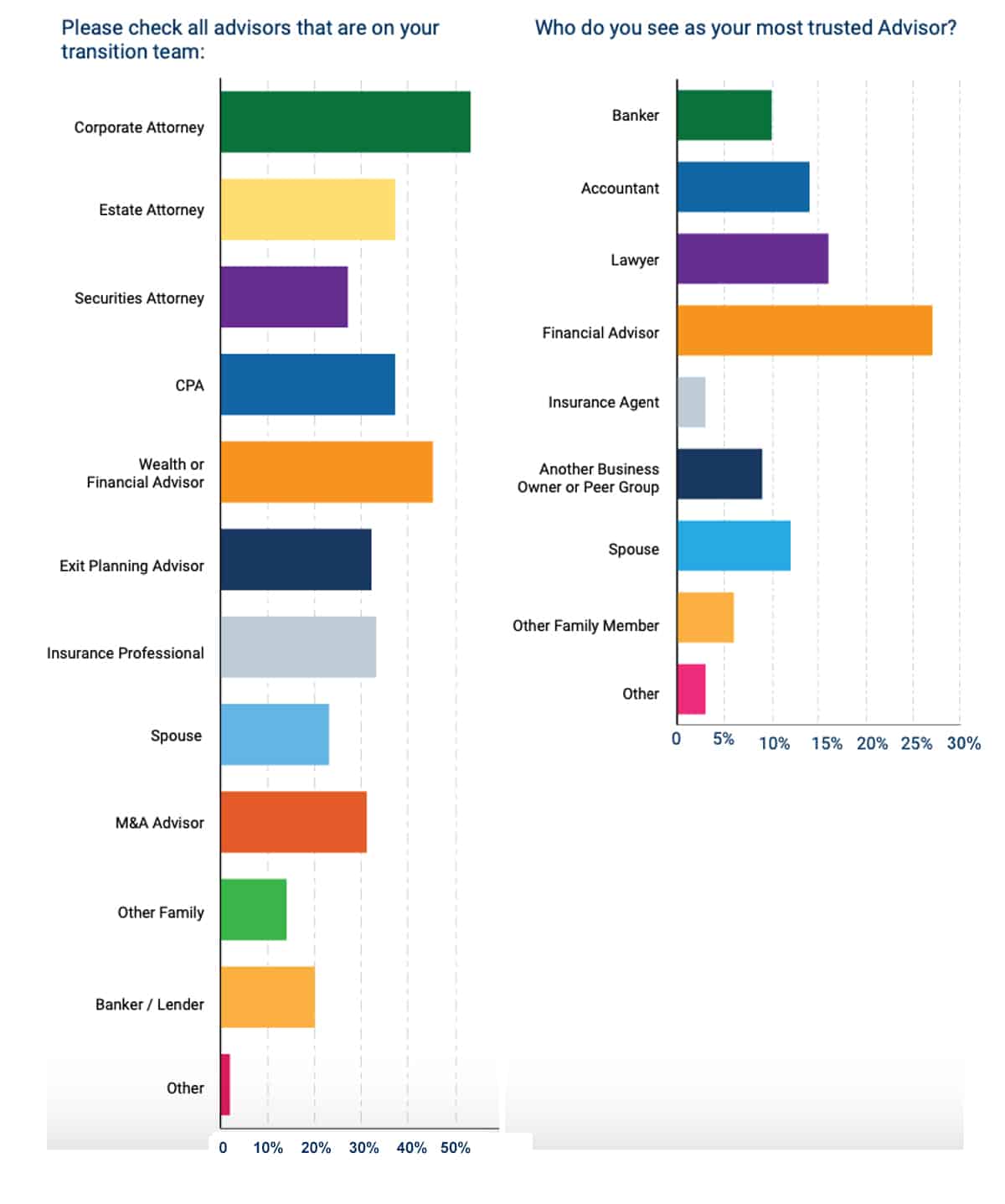
There are numerous intriguing conclusions from the 2023 report which surveyed more than 1,000 business owners. IAG has pulled out several data points that business owners may find to be of interest.
There is still work to be done! IAG, with its team of Certified Financial Planners (“CFP®”) and Certified Exit Planning Advisors (“CEPA®”), is uniquely equipped to help business owners close the gap between “what is” and “what’s possible” so that they can achieve their business, personal, AND financial goals.
To explore what’s possible:

Learn how taxes, withdrawal strategies, and Roth conversions can affect the true value of your retirement nest egg and long-term retirement income planning.

Deciding when to claim Social Security can significantly shape retirement income. Learn how important factors can affect your strategy.

Use a mid-year business checkup to review revenue, cash flow, staffing, and personal wealth before year-end decisions become more difficult.

DIY investing may seem simple, but hidden costs can add up. Learn how investor behavior, taxes, time and planning gaps can affect long-term returns.